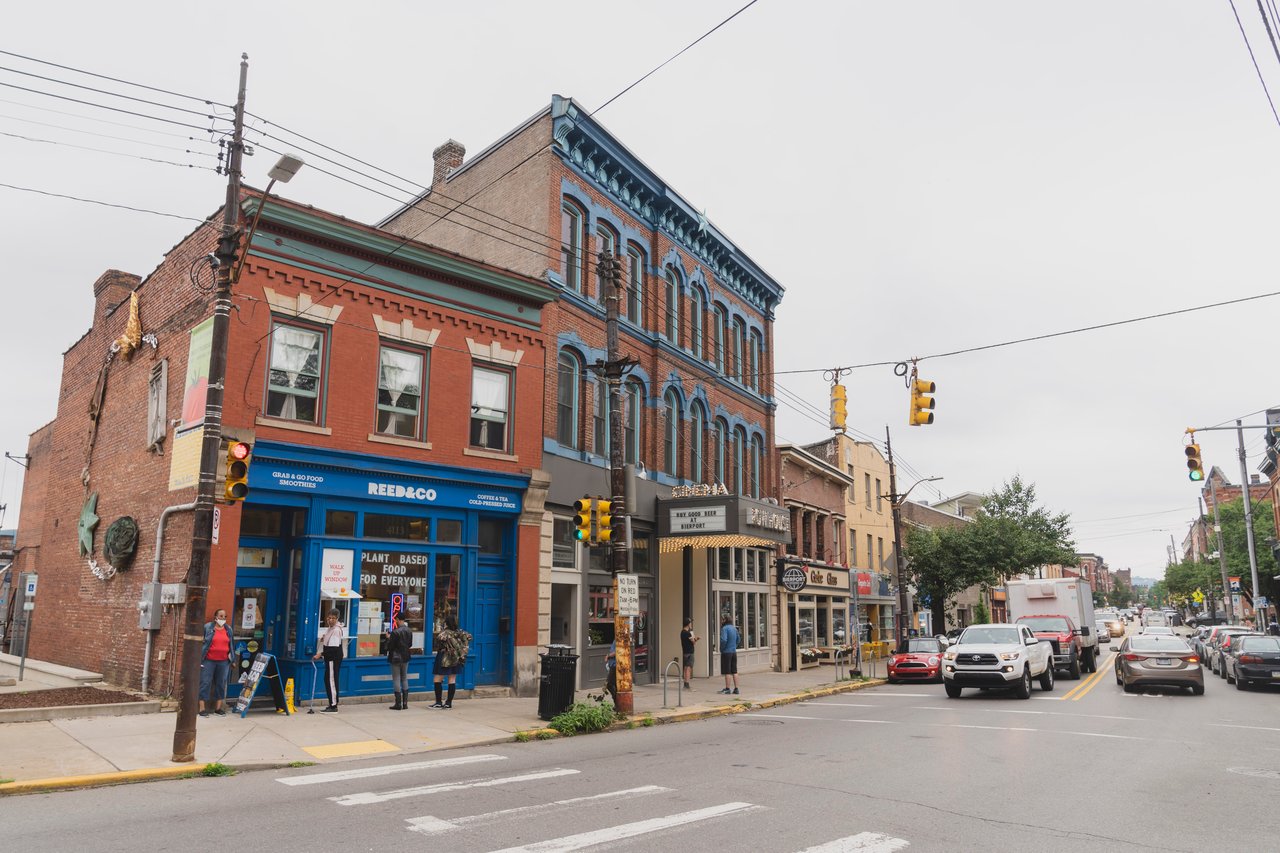
Walk down Smallman Street this month and you'll pass a furniture showroom that didn't exist in January, a coffee shop that used to be a truck, and a nightclub that wasn't there a year ago. Turn onto Railroad Street and you'll find three restaurants sharing space in what used to be a parking garage. None of this required a single new apartment building.
That's the part of this year's Strip District story that's easy to miss if you're only counting cranes. Strip District Neighbors released its newest State of the Strip Report this August, and the numbers inside it tell a stranger story than "the neighborhood is growing." The Strip added 16 new businesses over the past year, the strongest year for new openings since 2022, against just three closures. At the same time, the report notes that the wave of residential construction that defined the neighborhood for a decade slowed, and population growth cooled right along with it. For the first time in years, the thing filling up the Strip wasn't more neighbors. It was more places for the neighbors already here.
The Numbers Nobody Was Expecting
For most of the 2020s, the Strip's growth story ran in one direction: more apartments, more residents, more density pushing out from the warehouses along the river. This year's report breaks that pattern. Development challenges slowed the residential pipeline, and with fewer new units coming online, population growth eased too. Anyone reading the headline numbers alone might assume the neighborhood is cooling off.
The retail and hospitality side of the ledger says otherwise. Sixteen new businesses opening against three closures is not a modest year. It's the best ratio the Strip has posted since 2022, and it happened in the same twelve months the housing engine idled. That's the contradiction worth sitting with: the neighborhood didn't need more residents to justify more storefronts. The businesses came anyway, betting on the people, workers, and visitors already circulating through the Strip on any given Saturday.
A few of the additions from this year, grouped by where you'd actually run into them:
- Smallman Street: Sea Monkey, a new nightclub from the Richard DeShantz Restaurant Group, Design Within Reach's first Western Pennsylvania showroom, and The Roaming Bean's first standalone coffee shop after years of running strictly as a food truck.
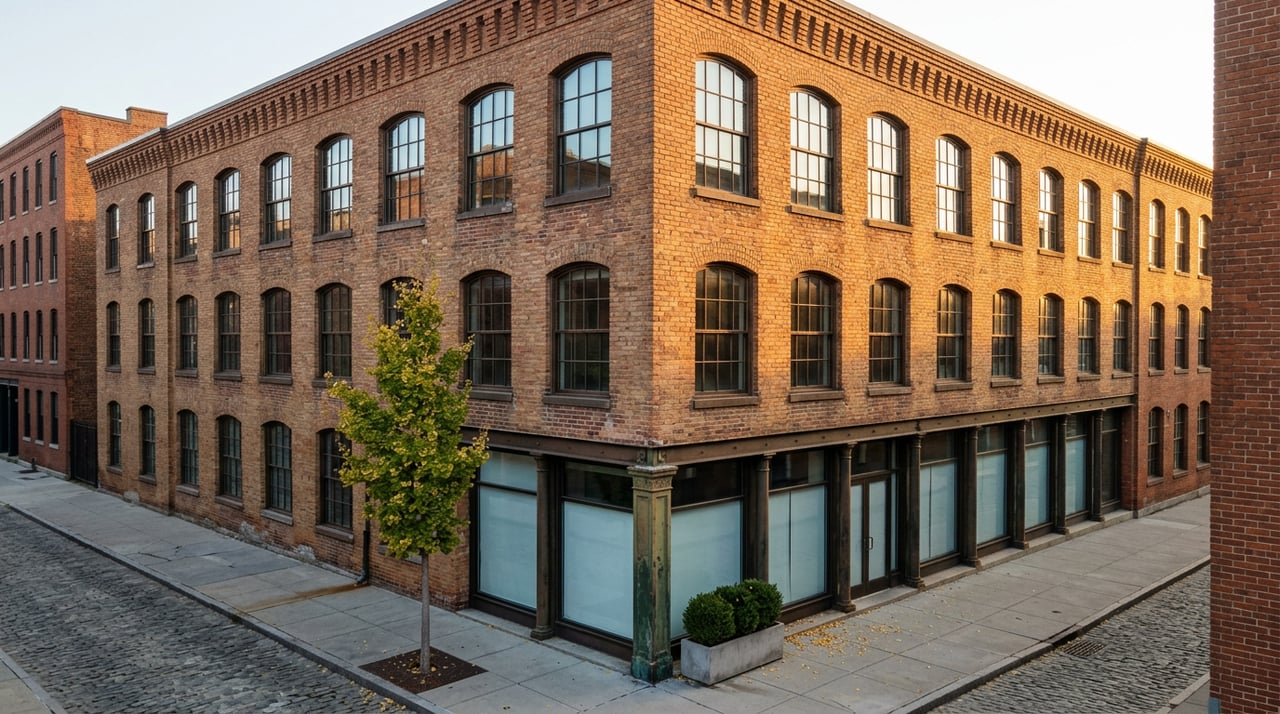
- Railroad Street: Juniper Grill and Atria's, previewed to residents months earlier at a Strip District Neighbors town hall, opened this spring alongside 1930 Cigar Bar inside the Cork Factory Lofts garage.
Two different blocks, two different kinds of retail, both landing in the same calendar year the report describes as the strongest since 2022.
What a Furniture Showroom Next to a Self-Driving Car Company Tells You
Design Within Reach isn't a neighborhood coffee shop testing the waters. It's a national retailer with more than 45 locations across the country, and its new spot at 1644 Smallman Street is the only one in the entire region. The nearest other Pennsylvania location sits outside Philadelphia. When a chain with that kind of footprint decides the Strip District is worth its second Pennsylvania address, that's a different signal than a local business owner taking a chance on a storefront.
What makes the location more interesting is who else is on that block. The Design Within Reach showroom sits in a converted warehouse alongside Orr's Jewelers, Aurora Innovation, and Balvanera. That's a jewelry store, a self-driving vehicle company, and one of the city's most talked-about new restaurants, all sharing brick walls that used to hold produce crates. The Strip's old industrial buildings were built for one kind of tenant. What's filling them now doesn't sort into a single category, which is exactly why the neighborhood is hard to describe in a sentence and easy to spend an afternoon in.
Every Saturday Through October
If you want a low-stakes way to see this year's changes in one visit, the Terminal's 2026 Saturday Market Series runs weekly through October, 11 a.m. to 3 p.m., inside the same five-block former produce terminal that's been slowly filling in for years. The lineup there now includes names like Aslin Beer Company, City Grows, City Winery, Oddfellows Ice Cream Co., Posman Books, Puttshack, and Sandbox VR, a mix that has nothing in common except that all of them chose the Strip.
That market schedule matters for a practical reason too: there aren't many Saturdays left in this run. If a weekend trip to the Terminal has been on your list since spring, October is the deadline, not a suggestion.
What Sixteen New Doors Actually Means
It would be easy to read this year's report as proof the Strip is simply on a roll, another chapter in the same growth story that's been running since the tech companies and Robotics Row tenants moved in. But the more accurate read is narrower and more interesting: this was the year the neighborhood grew sideways instead of up. Instead of adding the residential density that's driven the last decade of change, the Strip added density of use, more reasons for the people already living, working, and passing through to stop, spend an hour, and come back.
That distinction matters if you live here, because it changes what you should expect to notice month to month. A slowdown in new apartment construction doesn't mean the neighborhood is standing still. It means the change is happening at street level instead of in a construction pipeline, in storefronts you can walk into rather than units you read about in a permit filing. The Strip's identity was never built on being the biggest residential neighborhood in the city. It was built on being the place with the market stalls, the specialty grocers, and the sense that something new is always a block away. This year's report suggests that identity is exactly what's still growing, even while the headline numbers around housing cool off.
If you're the kind of resident who tracks these things because you're curious, not because you're shopping for a new address, that's a good problem to have. The neighborhood you already chose just got a little more interesting to live in, and it didn't ask you to move to get there.
If you're weighing whether a neighborhood like the Strip fits your own next move, whether you're buying your first place, relocating from out of town, or trying to figure out what a property here is actually worth given how fast the storefronts are turning over, the Miranda Micire team spends enough time in Pittsburgh's changing blocks to help you read them clearly. Contact us when you're ready to talk specifics.