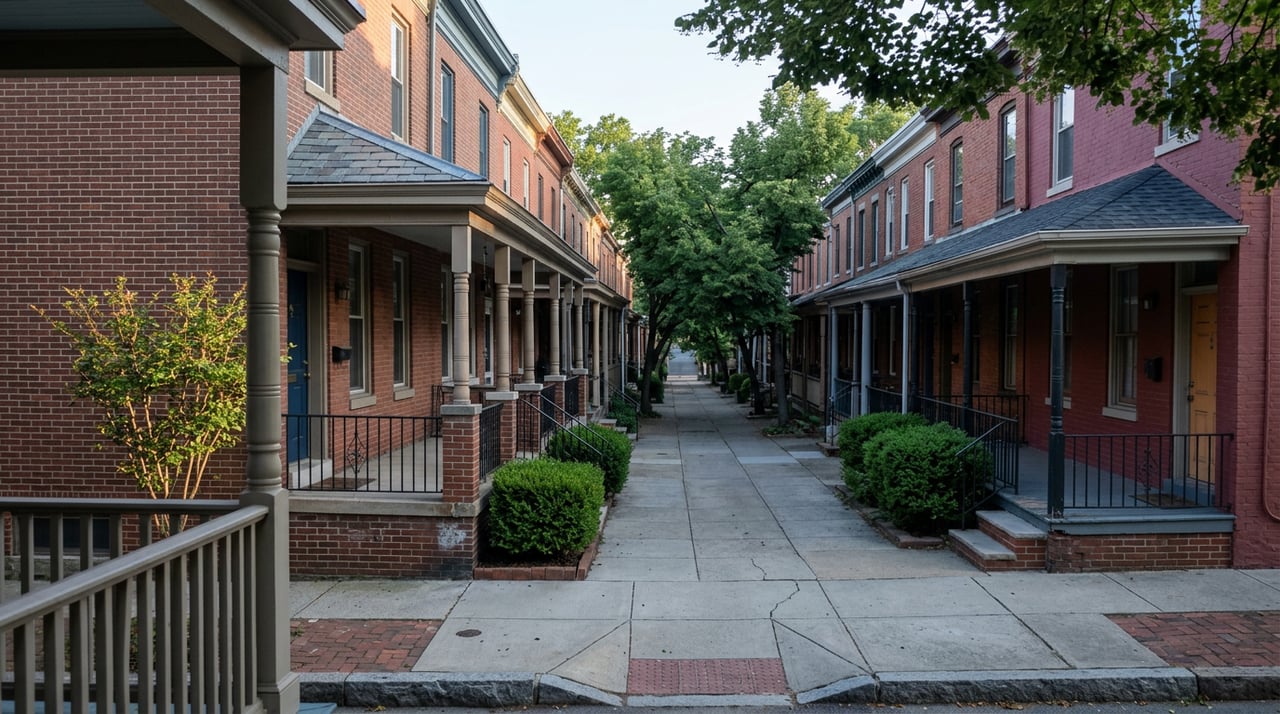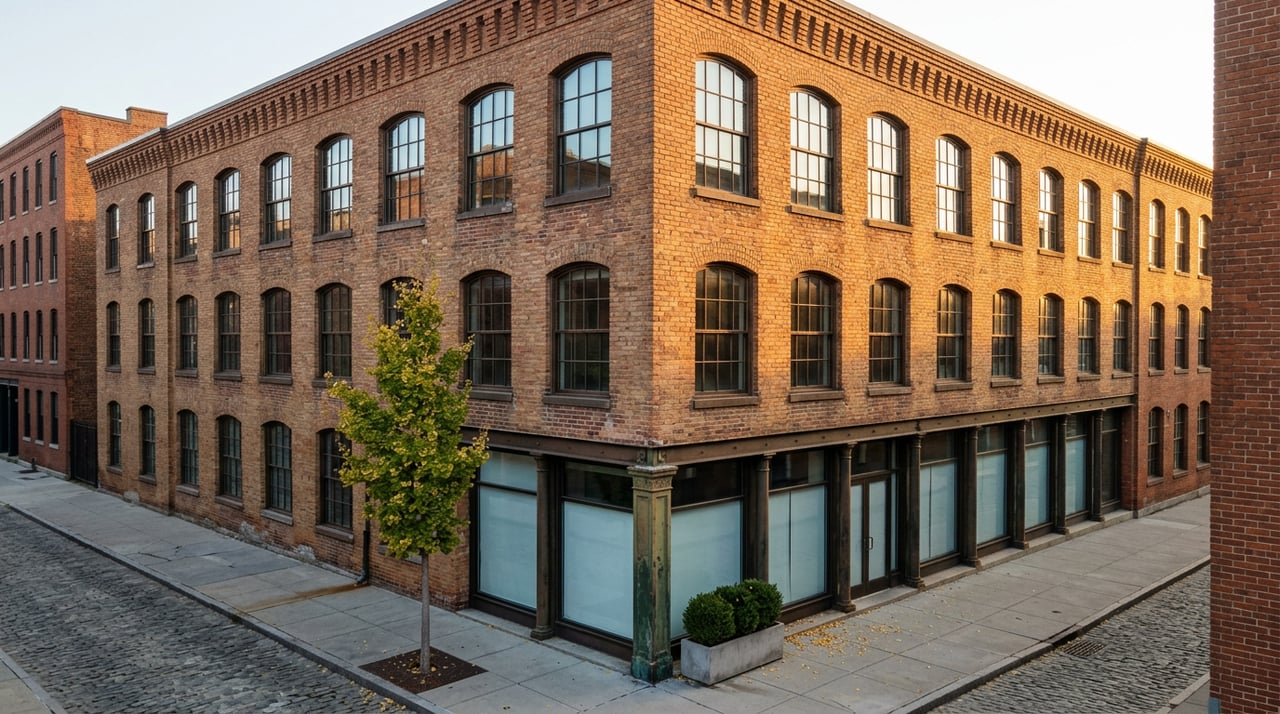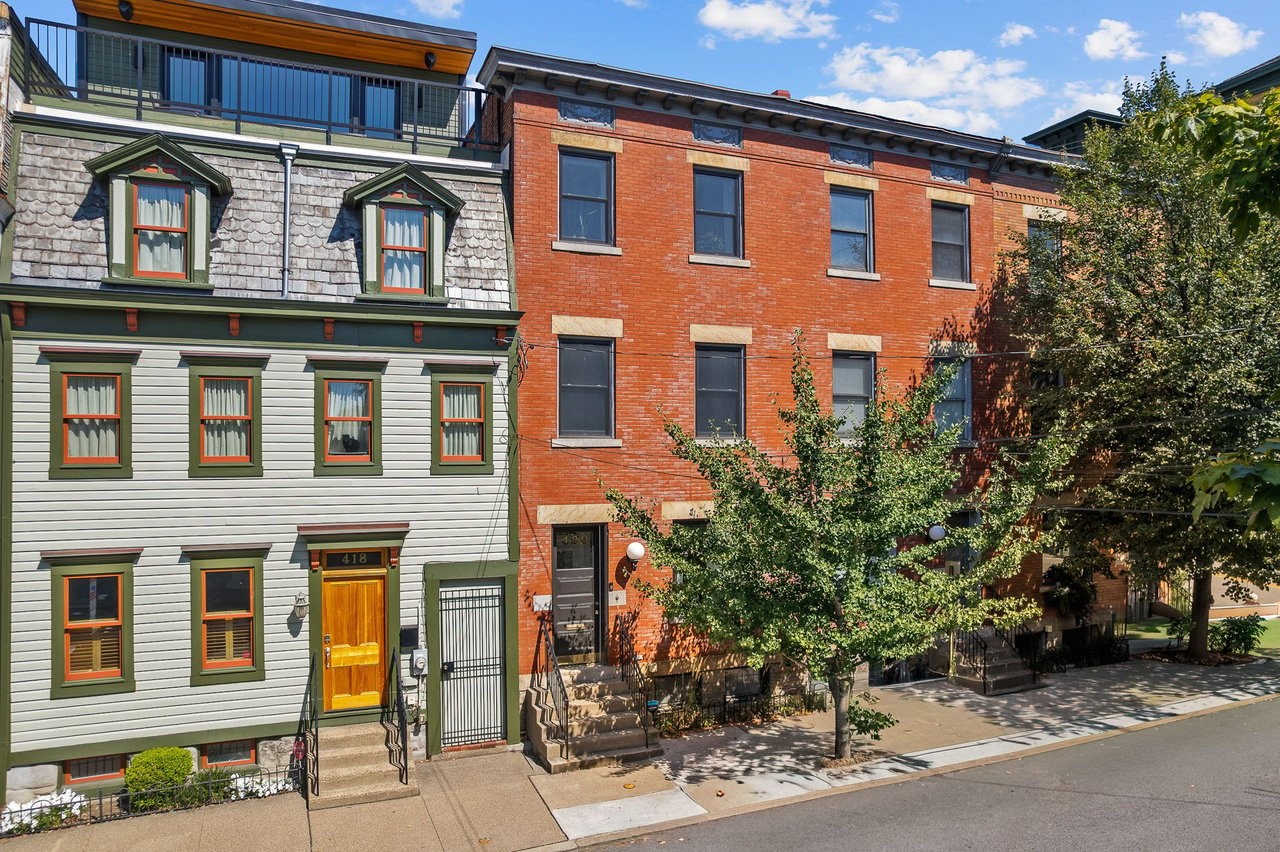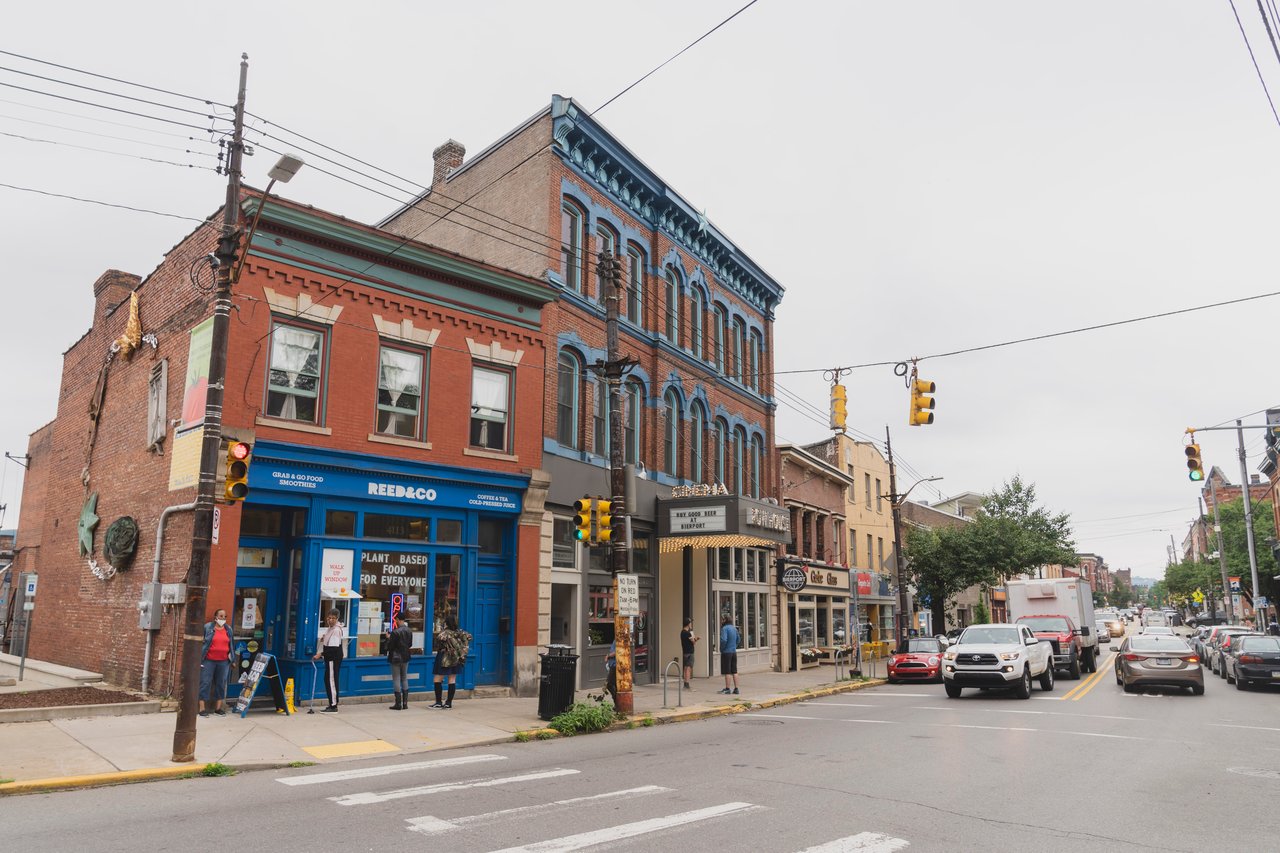
Walk Butler Street between 41st and 54th on a Saturday in late August and you'll pass storefronts that were dark or under different signage a year ago. New awnings. Fresh paint over old brick. A window that used to say "Merchant Oyster Co." now says something else entirely. If you live in Lawrenceville, you already know the street turns over. What's worth noticing this year is not that it's changing, but how.
The restaurants replacing the last generation of tenants aren't broader. They're narrower. And the neighborhood's biggest new venue just proved that narrow is the whole strategy.
What Used to Be Here
Start at 4129 Butler St. For years this was Merchant Oyster Co., a raw bar that could have worked on almost any commercial strip in the country with enough foot traffic and a decent wine list. In April, chef Csilla Thackray opened Titusz in that space, a 49-seat Hungarian and Austrian restaurant named for her great-grandfather. Thackray built her reputation at The Vandal, Legume Bistro, and Churchview Farm, and Titusz is her first solo concept. You cannot swap it into another city's commercial corridor and expect it to perform the same way. A raw bar travels. Chicken paprikash from a chef with a specific family lineage does not.
Head up to the corner of Butler and 54th, in Upper Lawrenceville, and you'll find the same pattern. LaVia Trattoria, a full Italian menu, used to occupy that address. La Grassa is moving in, and La Grassa does one thing: thick, Detroit-style corner pizza, sold only by the corner slice. The concept built its following as a pop-up, showing up regularly at Field Day Cafe on Tuesdays, before committing to its own storefront.
Down where Lawrenceville meets Bloomfield, at 4065 Penn Ave, the former Black Lotus Pizza space is now Penn Avenue Pizza & Steaks, a New York-style pizza and Philly cheesesteak counter. And on the Garfield edge, the old Primanti's location across from the Pittsburgh Glass Center is becoming a fourth Moonlit Burgers, the smash burger chain that already has locations in Dormont, on Duquesne's Uptown campus, and in Sewickley.
None of these four replacements is doing more than what it replaced. Every one is doing less, on purpose, and doing it with more focus.
Why the Windows Sit Papered Over So Long
If you've wondered why a storefront can sit empty with butcher paper over the glass for months before anything opens, the answer isn't neighborhood indifference. It's the permit pipeline. Allegheny County Health Department applications for all categories of food and beverage permits rose 26 percent over two years, climbing from 511 in 2023 to 647 in 2025, according to Pittsburgh Magazine's spring 2026 restaurant roundup. Over that same stretch, maximum wait times for those permits grew from roughly 49 days to roughly 80. County Executive Sara Innamorato has since directed staff to assess and streamline the process, but for now, what looks like a sudden wave of Butler Street openings this summer is really a backlog clearing at once. The demand for new concepts has been building for longer than the storefronts suggest.
One Roof, Four Kitchens
The clearest evidence for the narrowing trend isn't any single restaurant. It's Lawrence Hall, the food hall at 4609 Butler St that's now fully open after years of renovation. The building itself has lived several lives. Constructed in the 1890s, it started as Palace Laundry, became the vaudeville-era Park Theater by the early 1900s, and sat as a 6,000-square-foot shell before co-founders Brett Minarik and Phoebe Fraser, working with director of operations Adam Harvey, turned it into a food hall centered on a communal bar called Dear James, named for Captain James Lawrence, the neighborhood's namesake, whose dying words gave the bar its unofficial motto.
What makes Lawrence Hall interesting isn't the architecture, though the 24-foot ceiling and exposed truss system are worth seeing in person. It's the roster. Instead of building one restaurant that tries to do soul food, Mexican, Italian, and American fusion all at once, Lawrence Hall houses four separate, single-focus kitchens under one bar: Cuddy's Soul Food, LOADED, La Palapa, and TOMA. La Palapa has been serving authentic Mexican food in Pittsburgh since 2012, first at the old Pittsburgh Public Market in the Strip District, later on the South Side, and Lawrence Hall gave the team a way to open a second location without launching an entirely separate restaurant from scratch. LOADED's owners found the space on a walk through the neighborhood with their kids and sealed the partnership after reaching out to management directly.
That's the model driving Butler Street's turnover in miniature. Rather than asking one operator to stretch across four cuisines, the corridor is building shared infrastructure so four narrow specialists can each do one thing well and split the overhead. The hall is open Tuesday through Sunday for lunch, dinner, and weekend brunch, and if parking near Butler is tight, which it usually is, the ownership team has built in a rideshare discount to account for it.
The 1885 Building With the Smoothie Counter
Not every new tenant fits the chef-driven narrative, and that's worth knowing too. At 5255 Butler St, inside Engine House No. 9, a firehouse built in 1885 and one of the more architecturally distinctive buildings on the upper stretch of the corridor, a national protein-shake and açaí chain is opening its third Lawrenceville-area location. It's not a change in the specialization pattern so much as a second version of it: a single-category operator, in this case a multi-unit chain rather than a solo chef, choosing a narrow lane in a building that has survived more than a century of different uses. If you use Butler as your morning walk or commute, that's one more stop, whether or not it's the stop you were hoping for in a building with that much history behind it.
What's Actually On This Week
The corridor's daily rhythm goes beyond food. Thunderbird Cafe & Music Hall, at 4053 Butler St, has a run of fall shows already booked, including dates the last weekend of August and into the first two weeks of September, with acts ranging from all-ages shows to 21-and-up late sets. A few blocks over, Spirit has its own recurring calendar between the Lodge, the Garden, and the rooftop, including a Title Town Soul & Funk Party on September 5 with DJs David McDaniel, J.Malls, and Gordy G running from 9 p.m. to 2 a.m., and a rooftop painting session the following afternoon.
These aren't one-off happenings. They're part of a street that has spent two decades building the kind of density where you can walk from a dinner reservation to a live show without moving your car. Butler Street was, by most accounts, a tired stretch of Pittsburgh through the 1990s, known more for traffic backups than dining. Its turn toward arts, music, and food didn't start with any single opening. It's been compounding since the early 2000s, according to the street's own historical record, and the current wave of narrow, founder-owned concepts is the latest layer on top of that, not a break from it.
The Street You Actually Live On
None of this is a reason to move to Lawrenceville. You're already here. What it should change is how you read the turnover the next time you walk past a papered-over window on Butler. It's not random churn, and it's not just gentrification running its course again. It's a corridor that's figured out its restaurants work better when they do less, and a food hall that took that idea and built a building around it.
If you're the kind of resident who likes knowing why your street looks the way it does, that's the story behind this summer's openings. And if you're a homeowner in Lawrenceville thinking about what any of this means for your own property, whether you're weighing a renovation, considering a rental, or just curious what a specific block is worth given how fast the corridor keeps changing, the Miranda Micire Team spends as much time walking Butler Street as writing about it. Contact Us whenever you're ready to talk about it.